

Our Knowledge Our Way
Our Knowledge Our Way helps us deliver Indigenomics Africa on community-authorised terms, strengthening how African Indigenous Knowledge Systems are governed, protected, transmitted and developed.

African Indigenous Knowledge Systems have sustained health, livelihoods, culture, ecological stewardship and community life across generations.
Yet many communities lack the institutional mechanisms required to manage relationships with researchers, governments, universities, enterprises and investors while retaining authority over their knowledge and the value it creates.
The framework
What the Framework Enables
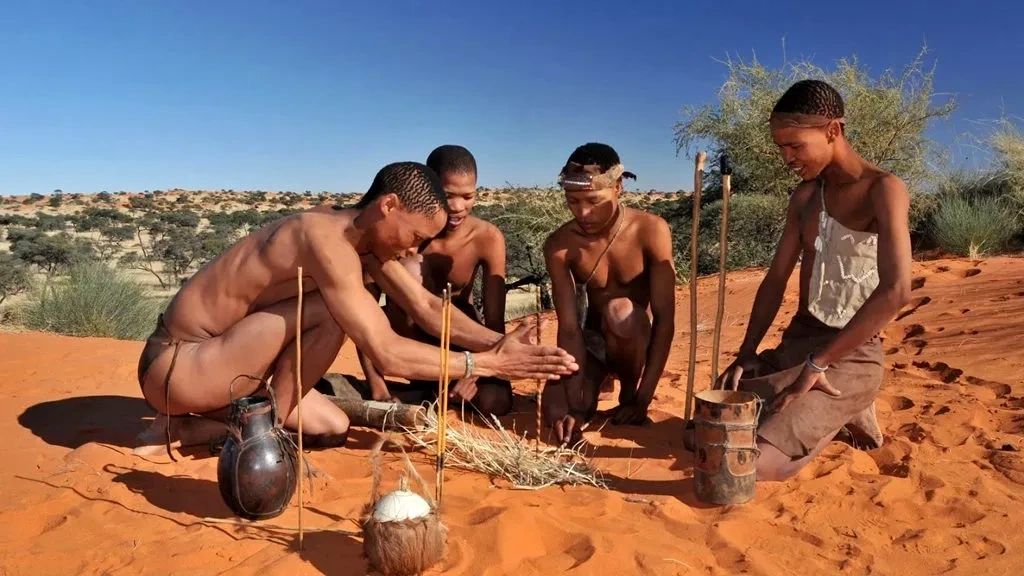
Strengthening Living Knowledge Systems
Community-led knowledge transmission, language revitalisation, cultural practice, documentation and intergenerational renewal under the authority of Indigenous knowledge holders.

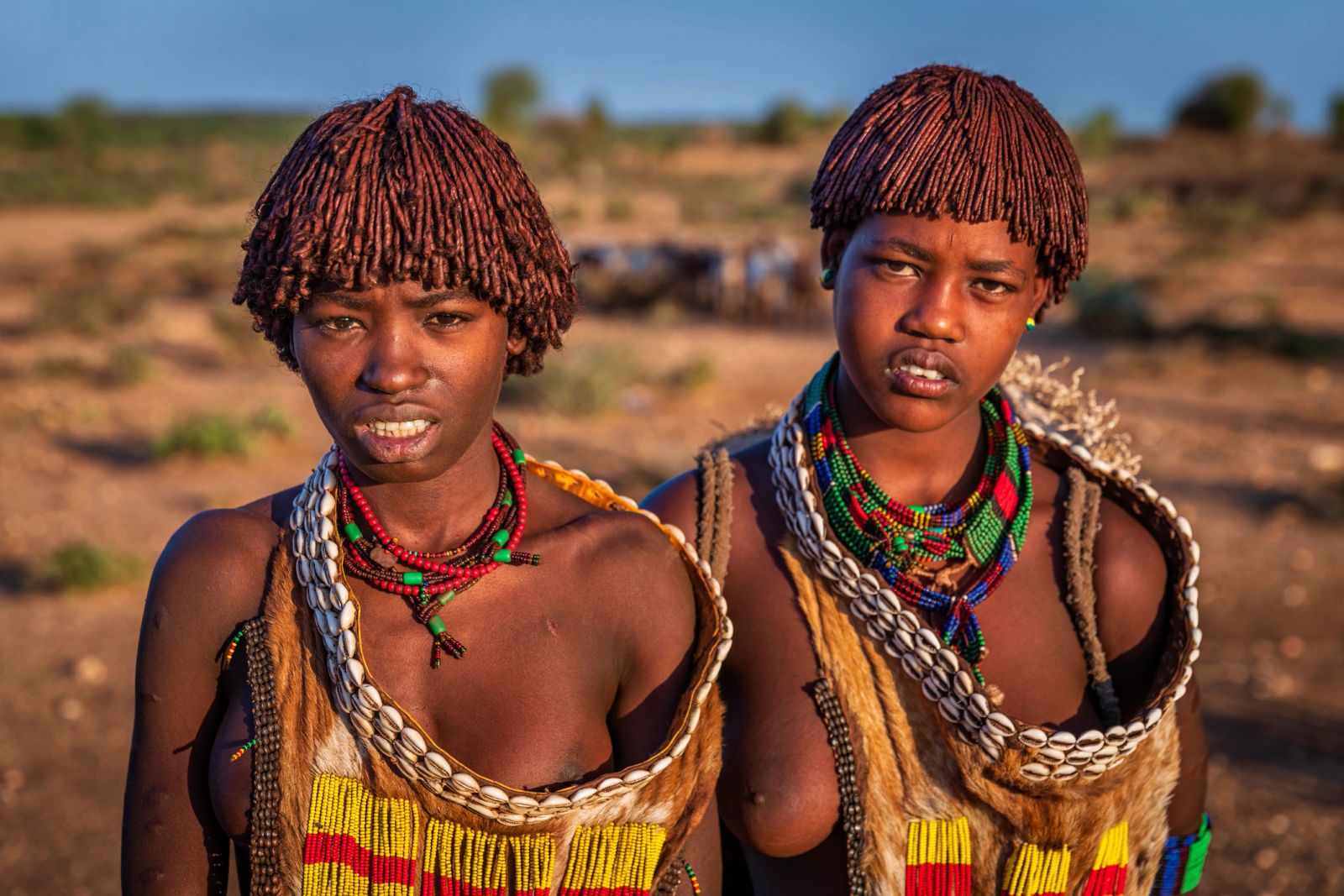
Consent-based Relationships
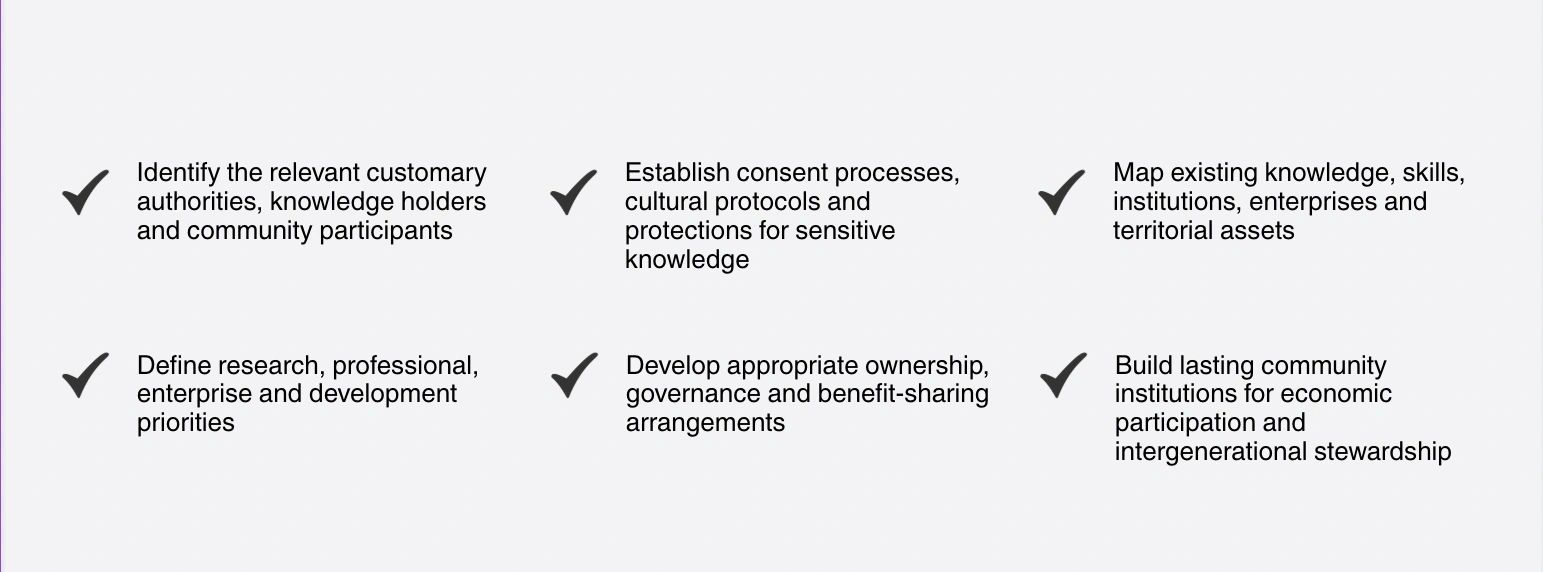
Customary governance, free, prior and informed consent, accountability and cultural protocols across relationships with researchers, governments, industry and development partners.
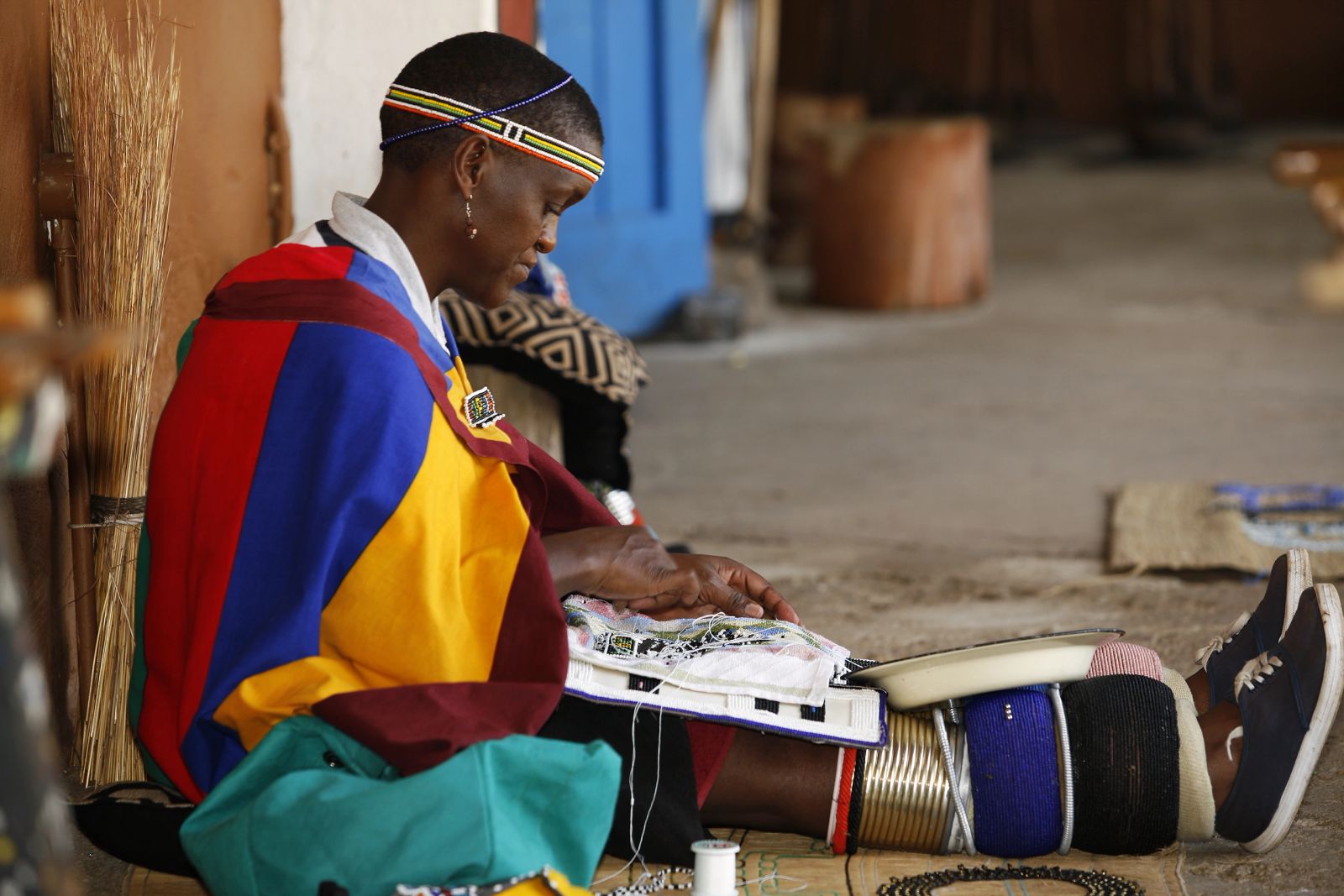
Equitable Knowledge Partnerships
Respectful collaboration between Indigenous and academic knowledge systems without subordinating one to the authority or validation frameworks of the other.
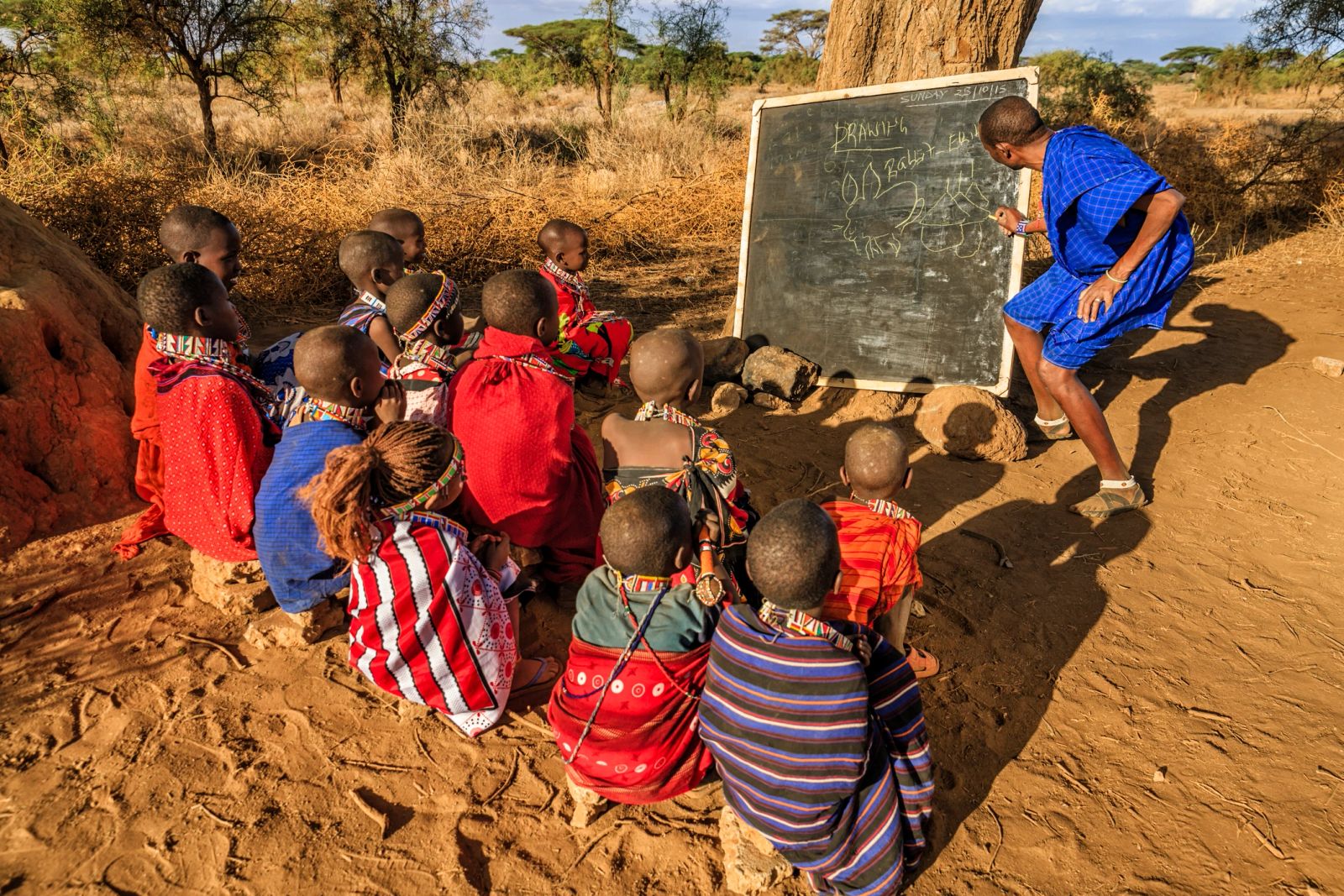
Indigenous Knowledge Partnerships
Connections among knowledge holders, practitioners, communities and institutions that protect the distinct authority, protocols and context of each knowledge system.
Ten principles
Indigenous Knowledge Governance Principles
A governance framework ensuring that Indigenous communities remain the recognised authorities over the knowledge systems, institutions and economies built from their heritage.
01
Authority Rests with Communities
Indigenous communities remain the recognised authorities over their knowledge, cultural heritage and related assets.
02
Follow Customary Governance and Cultural Protocols
Engagement must respect the governance institutions, decision-making processes and protocols of each community.
03
Free, Prior and Informed Consent
Communities must receive sufficient information, time and independent support before deciding whether to participate.
04
Protect Knowledge from Misuse and Misappropriation
Knowledge must not be accessed, documented, disclosed, transferred or commercialised beyond the authority granted by the community.
05
Ethical Commercialisation and Value Return
Commercial activity must respect community authority and return fair value to the people and territories from which the knowledge originates.
06
Equitable Benefit-Sharing
Communities must participate meaningfully in the financial, institutional, social and developmental benefits created through their knowledge.
07
Responsible Indigenous Data Governance
Communities must retain authority over how their knowledge and data are collected, stored, accessed, interpreted and used.
08
Accountable Partnerships
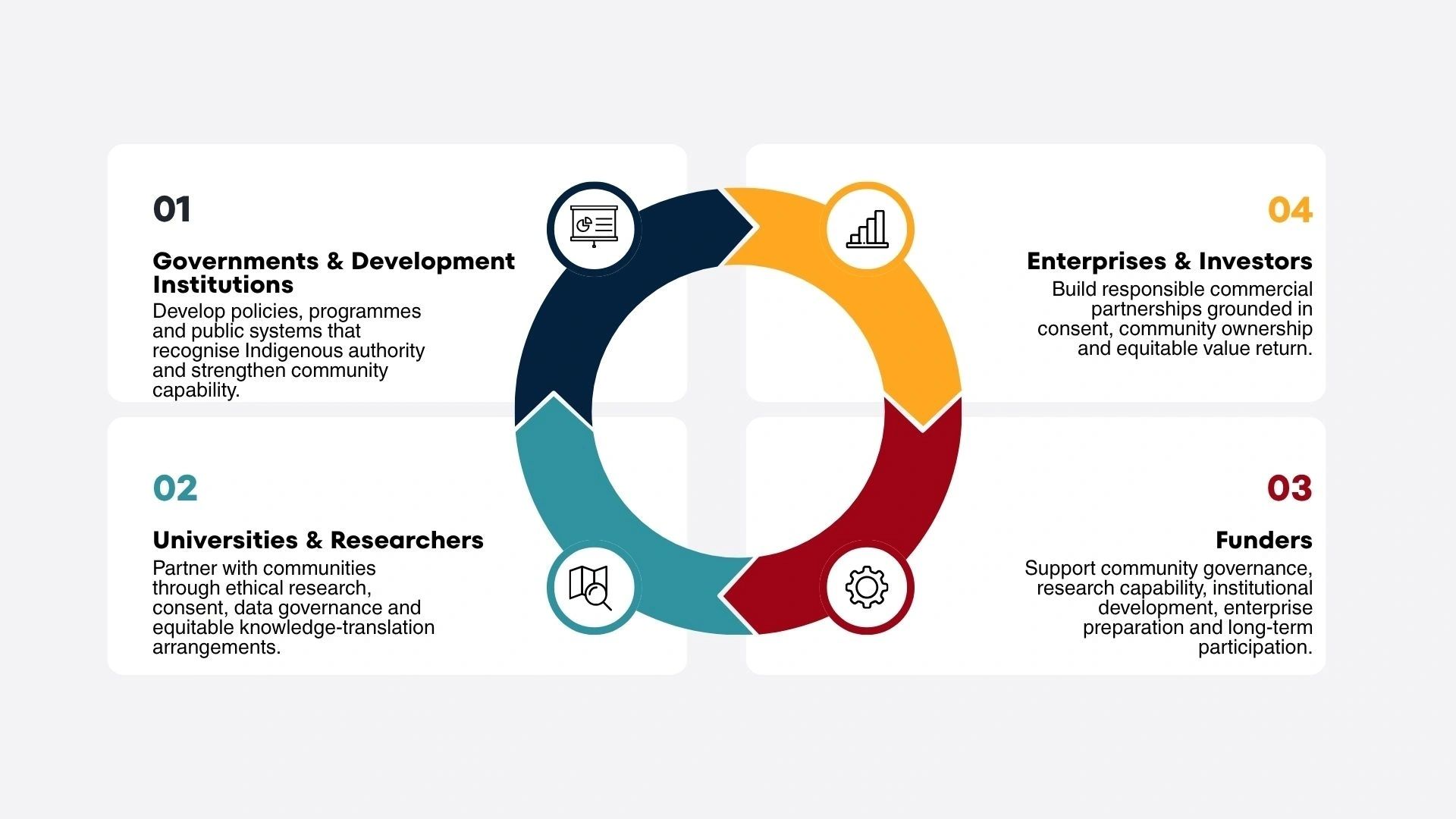
Researchers, governments, funders, enterprises and investors must remain accountable to agreed responsibilities, outcomes and governance arrangements.
09
Institutional Development that Strengthens Indigenous Communities
Partnerships and programmes must build lasting community institutions and capability rather than creating dependence on external organisations.
10
Stewardship for Future Generations
Knowledge must be governed in ways that protect cultural continuity, ecological wellbeing and the interests of future generations.

Why it matters
Strong governance builds trust. Trust enables research, investment, innovation and partnerships.
Our Knowledge. Our Way. provides the governance framework through which Indigenous Knowledge Systems can participate confidently in research, policy, enterprise and economic development, remaining under community authority.
Partner with IPROSA
Build Africa's Indigenous Economy With Us
We welcome Indigenous communities, knowledge holders, practitioners, research institutions, governments, industry and development partners committed to equitable Indigenous economic development.
Participate
Communities, knowledge holders and practitioners
Talk to us about community priorities, professional development, knowledge governance and economic participation.
Discuss ParticipationCollaborate
Researchers, institutions and enterprise partners
Explore institutional partnerships, research collaboration, innovation, skills development and enterprise opportunities.
Propose a CollaborationTrade and Invest
Buyers, funders and investors
Explore opportunities to support Indigenous enterprises, value chains, market development and community-centred investment initiatives.
Explore Opportunities